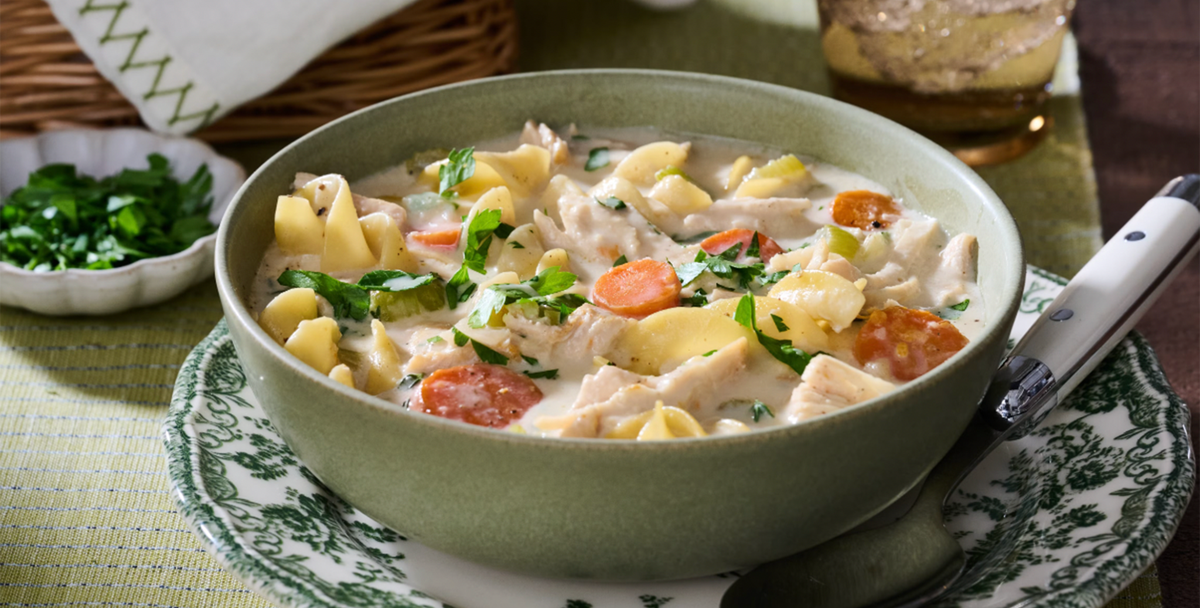
Elevate Your Soup: Perfect Pairings & Presentation Tips
There's an undeniable magic in a steaming bowl of homemade soup or stew. It's more than just a meal; it's a hug in a bowl, a comforting presence on a chilly evening, and a delicious way to nourish body and soul. While the inherent deliciousness of dishes like the beloved Cozy Soups & Stews: Your Go-To Comfort Food Guide is a given, truly elevating the experience involves thoughtful pairings, appealing presentation, and smart preparation. This guide will help you transform your go-to recipes, from classic chicken noodle soup to hearty beef stew, into unforgettable culinary moments.
Whether you're exploring 25 cozy homemade soups and stews for inspiration or perfecting a family favorite, understanding how to complement flavors, present dishes beautifully, and manage your kitchen efficiently will make all the difference. Let's dive into how you can make every spoonful count.
The Art of Pairing: Beyond the Bowl
A soup or stew rarely stands alone as a complete dining experience. The right accompaniments can provide textural contrast, balance flavors, and turn a simple meal into a feast. Thinking beyond the basic can unlock new dimensions of enjoyment for your homemade soups and stews.
Classic Comforts & Hearty Complements
- Artisan Breads: Nothing beats a crusty slice of bread for dipping into a rich broth or sopping up every last drop of a creamy soup. Think a warm baguette with a robust French onion soup, or a hearty sourdough alongside a creamy tomato soup. For a southern touch, a skillet of freshly baked cornbread is the ideal partner for a smoky chili or a hearty bean soup like Sopa Tarasca.
- Fresh Salads: To balance the richness of a stew or a creamy soup, a vibrant, crisp salad is essential. A simple mixed green salad with a light vinaigrette provides a refreshing counterpoint to a substantial main course. Consider a kale and quinoa salad with a lemon rosemary chicken soup, or a zesty Caesar salad with a rich creamy tortellini soup.
- Mashed Potatoes & Grains: For a truly satisfying meal, especially with a thick stew, consider a bed of fluffy mashed potatoes. Beef stew, with its tender chunks of meat and vegetables, finds its perfect match in creamy potatoes, allowing them to absorb all the delicious gravy. Similarly, a spoonful of rice or quinoa can add substance to lighter chicken soups.
- Flavorful Sides: Don't forget about specific pairings that just *work*. White Chicken Chili, for example, practically begs for a dollop of cool sour cream, a sprinkle of fresh cilantro, and perhaps some diced avocado to cut through its rich spice. For a unique and delightful twist, the Spicy White Chicken Soup with Seasoned Tots offers an unexpected but incredibly satisfying combination of creamy warmth and crispy texture.
Toppings That Transform
Toppings aren't just for decoration; they add layers of flavor, texture, and visual appeal that can dramatically enhance your homemade soups and stews. Think of them as the final flourish that takes your dish from good to gourmet.
- Fresh Herbs: A sprinkle of finely chopped fresh parsley, cilantro, dill, or chives just before serving can brighten flavors and add a pop of color.
- Crunchy Elements: Elevate texture with crispy croutons, toasted nuts or seeds (like pumpkin or sunflower), crushed tortilla chips, crispy fried onions, or even a sprinkle of crumbled bacon. For Miso Peanut Ramen Bowls, crispy crumbled tofu adds fantastic bite.
- Creamy Additions: Beyond sour cream, consider a swirl of crème fraîche, a dollop of Greek yogurt, or even a drizzle of coconut milk for a tropical touch.
- Cheeses: Shredded cheddar, Monterey Jack, crumbled feta, or grated Parmesan can add a savory, salty dimension that perfectly melts into warm broth.
- Spicy Kicks: A dash of your favorite hot sauce, a sprinkle of red pepper flakes, or a few slices of fresh jalapeño can provide a welcome heat.
- Aromatic Oils: A final drizzle of high-quality olive oil, chili oil, or a herbed oil can add depth and a glossy finish.
Presentation Perfection: Serving Your Culinary Masterpiece
The way you present your food plays a significant role in how it's perceived and enjoyed. Even the most delicious bowl of potato soup can be made more enticing with a little attention to detail. Serving your 25 cozy homemade soups and stews beautifully shows care and consideration, enhancing the overall dining experience.
Thoughtful Serving Strategies
- Portion Guidelines: Consider the role of the soup in your meal. If it’s the star, aim for about 1 to 1½ cups per person. As a starter before a larger meal, ¾ cup is typically sufficient. Use appropriate-sized bowls; a wide, shallow bowl can showcase garnishes better, while a deep, narrow bowl keeps heat in longer.
- Buffet Style Elegance: For gatherings, serving family-style in a large tureen with elegant ladles allows guests to serve themselves, creating a warm, inviting atmosphere. Keeping it warm in a slow cooker or on a warming tray ensures everyone gets a perfectly heated portion.
- Individual Bowl Artistry: When serving individual bowls, pay attention to the layering. For chunky soups or stews, ensure each serving has a good mix of ingredients. For ramen or noodle soups, you might arrange noodles, protein, and vegetables artfully before ladling in the broth.
Garnish & Flourish
Garnishing is the final touch, turning a simple bowl into a work of art. It’s about more than just taste; it’s about appealing to the eyes.
- Strategic Placement: Instead of haphazardly sprinkling, place garnishes deliberately. A single sprig of rosemary or thyme for a beef stew, a neat swirl of cream for a creamy potato soup, or a perfectly placed lime wedge for a White Chicken Chili can make a significant impact.
- Color Contrast: Think about how colors play off each other. Bright green cilantro against a deep red chili, or vibrant red pepper flakes on a pale cream soup, draw the eye and make the dish more appealing.
- Textural Accents: A few crispy croutons or tortilla strips arranged on top add visual interest and promise a satisfying crunch. For the Sausage, Kale, and White Bean Soup, a sprinkle of toasted breadcrumbs could add a rustic, appealing finish.
Smart Prep & Storage: Savoring Every Drop
One of the greatest joys of making 25 cozy homemade soups and stews is their incredible make-ahead potential. Smart preparation and storage not only save time but also often allow flavors to meld and deepen, resulting in an even more delicious meal. This is where your kitchen strategy truly shines.
Master Your Meal Prep
Efficiency starts before the cooking even begins. Utilize a "mise en place" approach, prepping your ingredients days in advance:
- Chop & Dice Ahead: Wash, peel, and chop all your vegetables like carrots, celery, and onions 1-2 days before you plan to cook. Store them in airtight containers in the refrigerator. This significantly cuts down on active cooking time on the day of.
- Prepare Proteins: Cube chicken or beef, pre-measure spices, and even toast nuts or seeds ahead of time. This organizational step makes the actual cooking process feel much more relaxed and enjoyable. For more detailed strategies on streamlining your kitchen, check out our guide on Master Meal Prep: Batch Cook & Freeze Your Favorite Soups.
The Batch Cooking Advantage
Doubling your favorite recipes is a smart move for busy households or those who appreciate having delicious, homemade meals on hand. Many of the 25 cozy homemade soups and stews are perfect for this strategy:
- Effortless Leftovers: Cook a large pot of vegetable soup or white chicken chili in a slow cooker or a large stockpot, and you'll have meals ready for several days, or even weeks if you freeze portions. This is a game-changer for quick weeknight dinners or impromptu entertaining.
- Flavor Development: Many soups and stews, particularly hearty beef stews or bean-based soups, often taste even better the next day as the ingredients have more time to marry and develop their full flavor profile.
Preservation Prowess
Knowing how to properly store and reheat your culinary creations ensures their safety and maintains their delicious quality.
- Refrigeration Guidelines: Always cool your soup completely before transferring it to airtight, sealed containers. Store in the refrigerator for 3-5 days. Remember the golden rule: do not leave cooked soup at room temperature for more than two hours to prevent bacterial growth.
- Freezing for Long-Term Enjoyment: Most soups and stews freeze beautifully. Once completely cooled, pour them into freezer-safe containers or heavy-duty freezer bags. Be sure to leave about an inch of headspace if using rigid containers, as liquids expand when frozen. Label with the date and contents. Most frozen soups will retain their quality for 2-3 months. Soups with high dairy content, like Broccoli Cheese Soup or some creamy potato soups, can sometimes separate or curdle when frozen and reheated, so reheat these gently.
- Reheating Perfection: For frozen soups, the best method is to thaw them overnight in the refrigerator. Reheat on the stovetop over medium heat, stirring occasionally, until it reaches an internal temperature of 165ºF (74ºC). For creamy soups, reheat very gently over low heat, stirring frequently, to prevent curdling or scorching. Avoid high heat, which can cause dairy to separate.
Conclusion
From the first comforting spoonful of a creamy potato soup to the hearty satisfaction of a beef stew, homemade soups and stews are culinary treasures. By mastering the art of thoughtful pairings, elevating your presentation, and embracing smart meal preparation and storage, you transform these simple, humble dishes into extraordinary dining experiences. So, grab your ladle, explore the endless possibilities of 25 cozy homemade soups and stews, and delight in the elevated comfort you can create right in your own kitchen.
